
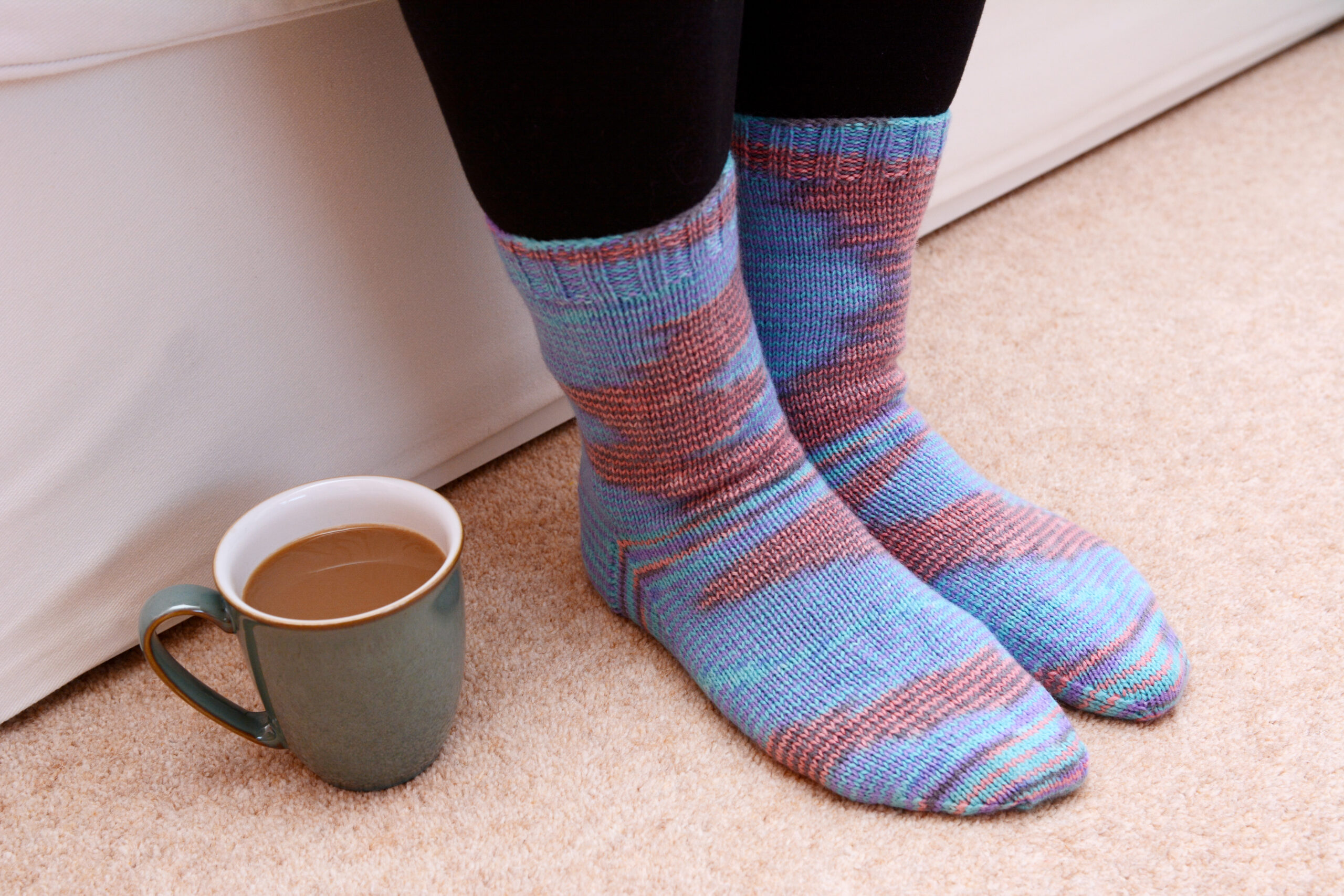
Looking after your feet in cooler weather is
crucial to prevent common issues like dry, cracked skin, chilblains, and reduced circulation. As temperatures drop, focusing on warmth, moisture management, and consistent hydration of the skin will keep your feet healthy.
Here is a guide to winter foot care, based on recommendations from podiatrists:
- Maintain Warmth and Dryness
- Moisture-wicking socks: Wear socks that keep feet dry, such as merino wool or synthetic blends, rather than cotton, which holds moisture and can make feet colder.
- Insulate from the ground: Choose shoes with thick rubber or composite soles to insulate against cold pavements.
- Dry footwear: Allow boots and shoes to dry completely between uses to prevent bacterial growth and ensure they are comfortable for the next wear.
- Avoid overheating: Do not put cold feet directly onto a heater or fire, as sudden temperature changes can lead to chilblains (itchy, painful swelling).
- Daily Foot Hygiene and Hydration
- Daily moisturising: Cold, dry air and indoor heating can cause dry, cracked heels, which can become painful and allow for infection. Apply thick moisturizing foot cream daily.
- Avoid moisture between toes: While you should moisturise your feet, avoid applying lotion between the toes, as this can encourage fungal infections.
- Check for damage: Regularly check your feet for any cracked skin, cuts, or infections, particularly if you have diabetes or poor circulation.
- Foot baths: Soaking feet in warm (not hot) Epsom salt water can improve circulation, but dry your feet thoroughly afterward, especially between the toes.
- Choose Appropriate Footwear
- Correct fit: Ensure your winter shoes or boots are not too tight, as they need to accommodate thicker socks without restricting blood flow.
- Support and Grip: Wear shoes with adequate arch support and good traction to prevent slips on wet or icy surfaces.
- Boost Circulation
- Stay active: Regular walking or moving your legs improves blood flow to your extremities, keeping them warmer.
- Avoid, or stop, smoking: Smoking restricts circulation, which can make feet feel colder and prevent them from warming up.
When to see a Podiatrist
See a specialist if you experience persistent coldness, very pale skin, numbness, or if you develop painful, persistent cracks (fissures) on your heels.
Call us today
(09) 212 9612